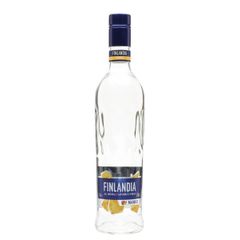
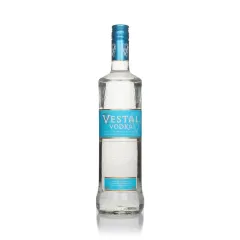
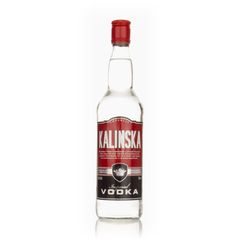
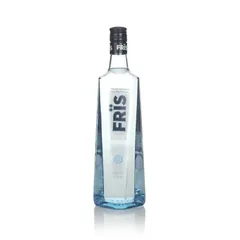
What is vodka? It sounds like a simple question, but it gets more complicated when you consider the huge range of clear spirits made from different agricultural raw materials that may legally be sold as vodka. In both the European Union and the United States, vodka can be made from a wide variety of agricultural materials rather than only from grain or potatoes, although grain and potato vodka remain the most traditional and culturally significant forms of the spirit. Under current EU rules, vodka must be produced from ethyl alcohol of agricultural origin and, where it is made from raw materials other than cereals or potatoes, that source material must be stated on the label. In the United States, vodka is still defined more broadly as neutral spirits without distinctive character, aroma, taste or color.
The old debate between the traditional vodka-producing countries of northern and eastern Europe and producers using other raw materials did result in stricter labeling rules, but it did not lead to a universal legal definition restricting vodka to grain or potato spirit alone. As a result, it's no longer quite accurate to suggest that "educated consumers" mean only grain- or potato-based vodka when they use the term, though those remain the classic reference points for the category.
Even within traditional grain and potato vodka, quality and style can vary significantly. At one end of the spectrum are highly rectified neutral spirits produced on an industrial scale, reduced to bottling strength and designed for purity and neutrality above all else. At the other are premium vodkas that place greater emphasis on texture, mouthfeel and raw-material character, though legally vodka in major markets is still expected to remain essentially neutral rather than strongly expressive in flavor. For that reason, modern vodka is better understood as a spectrum running from very clean and almost neutral to subtly textured and distinctive, rather than from anonymous industrial spirit to overtly flavorful artisanal spirit.