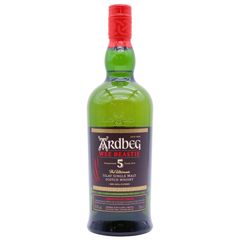
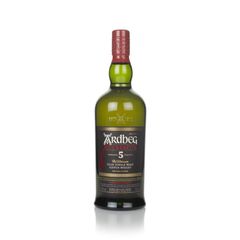
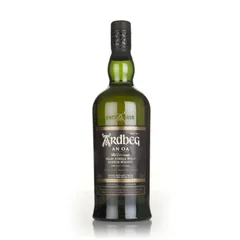
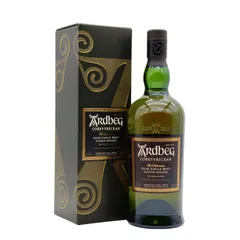
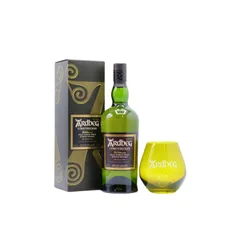
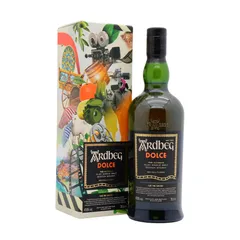
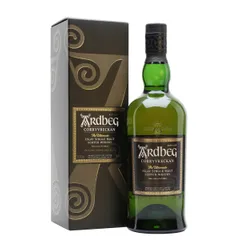
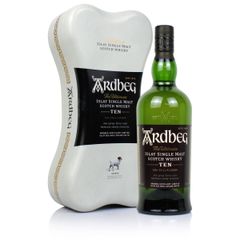
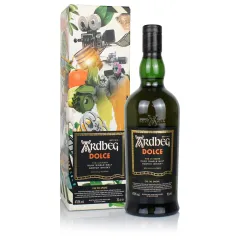
Located on the island of Islay, off the west coast of Scotland, Ardbeg is one of the country's most beloved distilleries, renowned for single malts that combine intense peat smoke with surprising fruit, sweetness and complexity. Officially founded in 1815, though illegal distilling had occurred on the site before that, Ardbeg has become one of the defining names of Islay whisky and a standard for enthusiasts of heavily peated malt.
The distillery's history has not been smooth. After periods of hardship in the late twentieth century, production was stopped in 1981, resumed on a limited basis in 1989, and ended again in 1996 before Ardbeg was acquired by The Glenmorangie Company in 1997. That rescue marked the start of the modern revival of the distillery, which has since developed into one of the most respected and recognizable names in Scotch whisky.
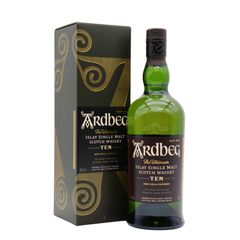
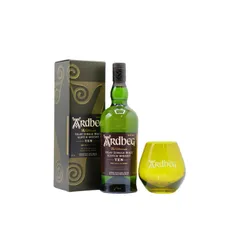
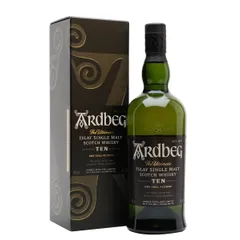
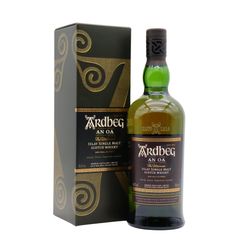
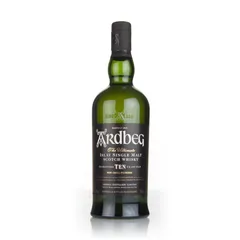
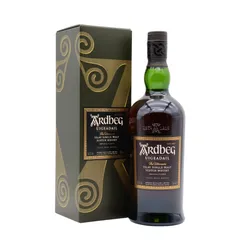
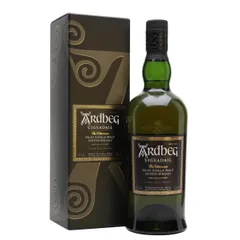
Single malt Scotch from Islay is often celebrated for its smoky character, and Ardbeg remains a classic example of the more medicinal and maritime side of the island's style. Yet the distillery's range demonstrates more variety than peat alone might suggest. Ardbeg 10 Year Old is the classic introduction, built around bourbon-cask maturation and a vivid combination of smoke, citrus and vanilla, while Ardbeg Uigeadail adds a richer, darker dimension through its marriage of bourbon and sherry casks. Together they show why Ardbeg inspires such devotion among peat enthusiasts.
Older bottlings, particularly from the 1970s, have become legendary among collectors and aficionados, and help explain the distillery's near-mythic reputation. Even so, Ardbeg's modern standing rests not only on rarity or nostalgia, but on the strength and distinctiveness of the whisky it continues to produce today.